

🔸 Julep: Multi-Step Agents with Persistent Memory
How Julep's Memory Magic is Shaping the Future of Intelligent AI Agents

Welcome back to Neural Notebook! Today, we're diving into the world of Julep, a platform that's redefining intelligent AI agents with its persistent memory capabilities. Imagine AI agents that remember past interactions and adapt their responses accordingly. Sounds futuristic? It's happening now!
If you're enjoying our content, consider subscribing to stay updated on the latest in AI and machine learning. Here are some of our recent features:
🧠 What is Julep?
Julep is a platform designed for creating AI agents with advanced capabilities, such as maintaining long-term context and executing complex tasks. Acting as an infrastructure layer between large language models and software applications, Julep provides support for long-term memory and multi-step process management. This is akin to giving AI agents a memory, allowing them to recall past interactions and improve over time.
In sectors like customer support, healthcare, and e-commerce, the ability to remember and adapt can significantly enhance user experiences and operational efficiency. Julep is paving the way for AI agents to operate with minimal human intervention, making them more autonomous and effective.
🪄 Persistent Memory
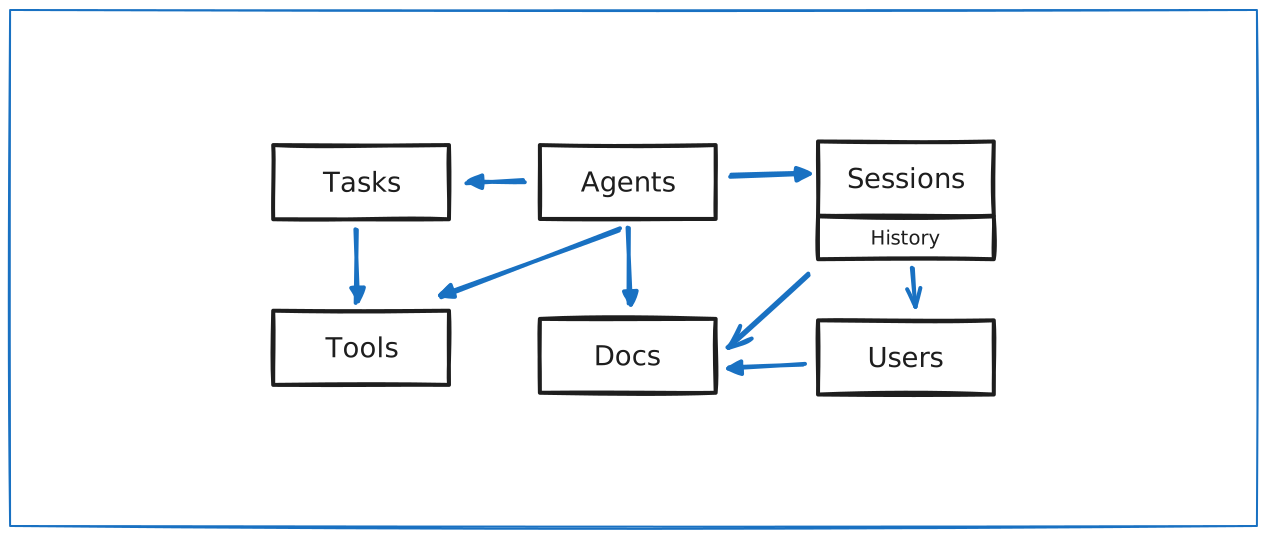
At the heart of Julep lies its persistent memory feature, which allows AI agents to retain context and remember information across multiple interactions. This means agents can build on previous conversations, learning user preferences and adapting their responses for more personalized experiences. Imagine an AI assistant that remembers your coffee order from last week—Julep makes this possible.
The platform also supports complex workflow management, enabling the creation of multi-step tasks with decision-making capabilities, loops, and conditional logic. This allows AI agents to handle intricate scenarios and workflows beyond simple linear chains of prompts and API calls.
🌟 How Julep Stands Out
Julep is a leap forward in AI-driven applications. Here's why:
Persistent Memory: Enables AI agents to maintain context over time, leading to more personalized and context-aware responses.
Complex Workflow Management: Supports decision-making, loops, parallel processing, and integration with numerous external tools and APIs.
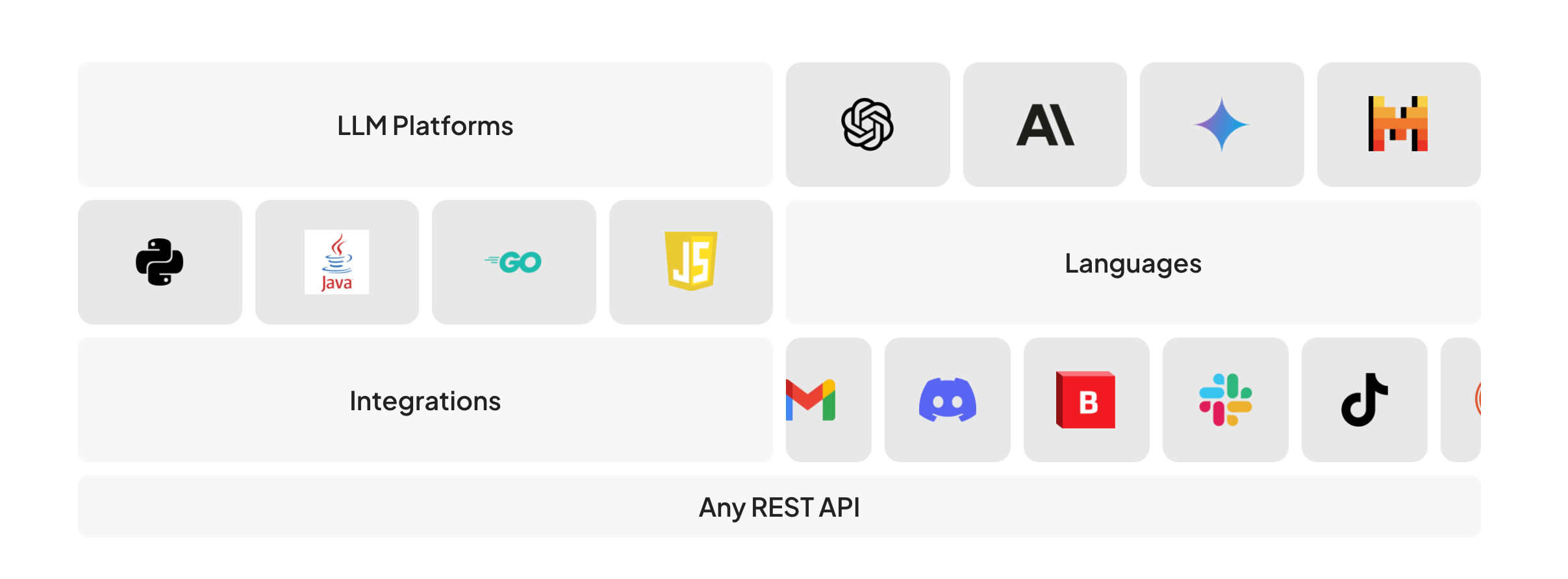
Seamless Integration: Easily integrates with multiple Language Models (LLMs) and allows dynamic switching between models while preserving state.
All these attributes, in conjunction, make for a powerful, versatile, and efficient AI development process.
🚀 Applications and Implications
The potential applications of Julep are vast and varied:
Customer Support: AI-powered chatbots provide 24/7 assistance, significantly reducing operational time and improving customer satisfaction.
Healthcare: Virtual health assistants improve patient care by scheduling appointments, answering queries, and assisting in diagnostics.
E-commerce: Personalized shopping experiences enhance user engagement and drive sales.
Julep's technology is also enhancing the capabilities of AI agents in logistics, manufacturing, and financial services, optimizing processes and improving decision-making.

🙊 Challenges and Solutions
While Julep is impressive, it's not without its challenges. Implementing persistent memory presents issues such as scalability, memory management, and security. To address these, Julep employs memory isolation, sanitization, and encryption, ensuring data privacy and integrity.
Looking ahead, the team plans to enhance the platform's capabilities, focusing on improving scalability and integrating more advanced security measures.
🔬 Get Started with Julep
To get started with Julep, check out their in-depth documentation here or explore their open source repository.
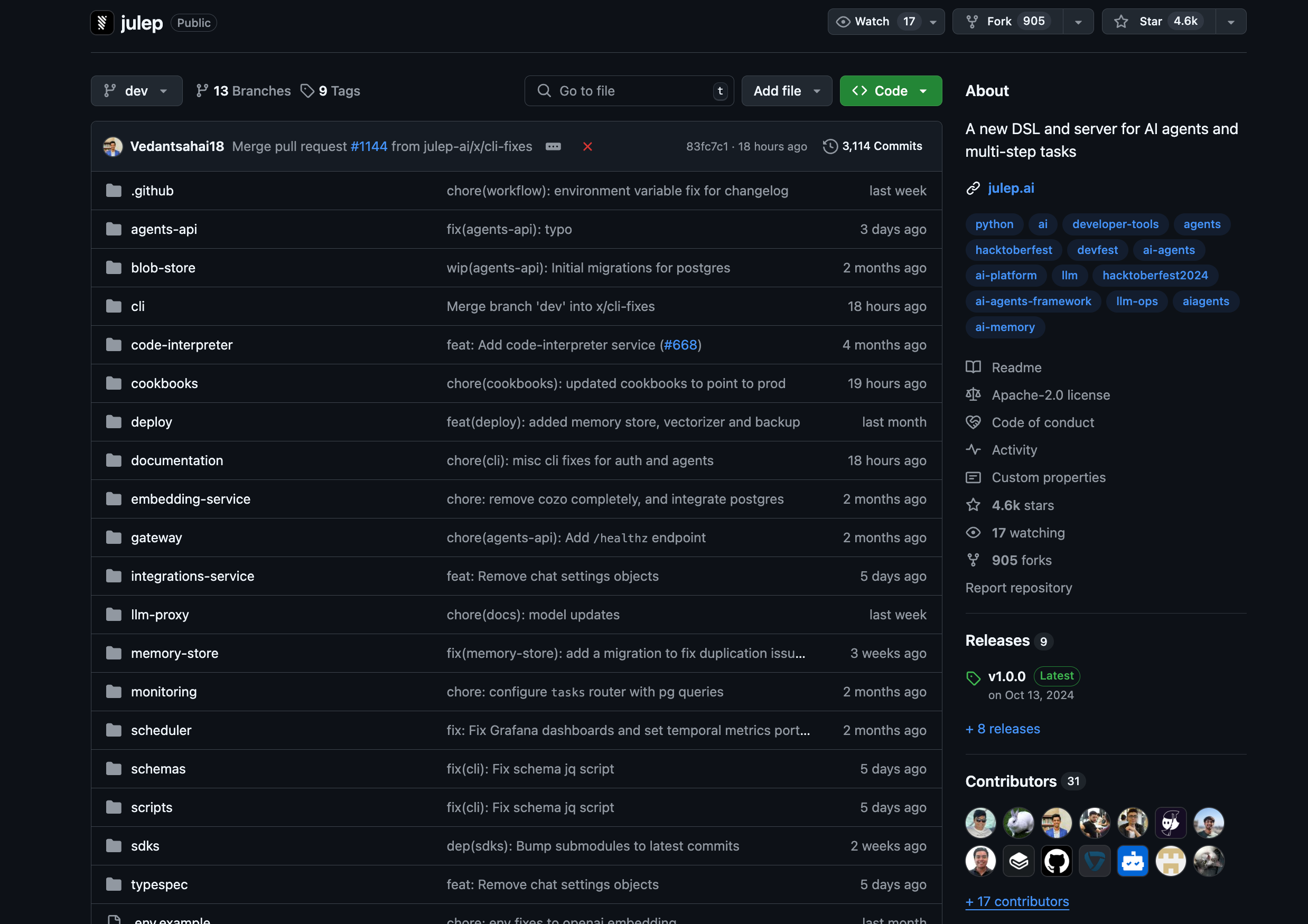
Julep has over 4.6k+ stars, and 30+ contributors building towards the future of multi-step AI development.
🔮 Future
The potential for Julep is vast. With further optimizations in memory management and security, we could see even greater improvements in AI agent capabilities. This could pave the way for more robust models tailored for various industries, bringing high-quality AI capabilities to the forefront.
Moreover, as more organizations adopt this technology, we can expect a surge in AI applications across industries, from healthcare to e-commerce. The possibilities are endless, and the future is bright for this innovative approach to AI agent development.
As we continue to explore the potential of this technology, one thing is clear: the future of AI is not just about making agents smarter, but also making them more accessible and efficient. So, whether you're an AI enthusiast, developer, or investor, now is the time to pay attention to the exciting developments in Julep.
Until next time,
The Neural Notebook Team
Website | Twitter
P.S. Don't forget to subscribe for more updates on the latest advancements in AI and how you can leverage them in your own projects.